Lower Back Pain
Lower back
4–8 visits over 3–6 weeks
First visit $59, 60 minutes
Most lower back pain is mechanical: irritated joints, tight or overworked muscles, or a disc that’s unhappy with how you’ve been sitting, lifting or sleeping. It’s common, it’s usually not dangerous, and many people find it settles faster with the right mix of hands-on care and movement.
What it feels like
A dull ache across the belt line, stiffness getting out of bed or the car, a sharp catch when you bend or twist, or pain that eases once you get moving.
How we help
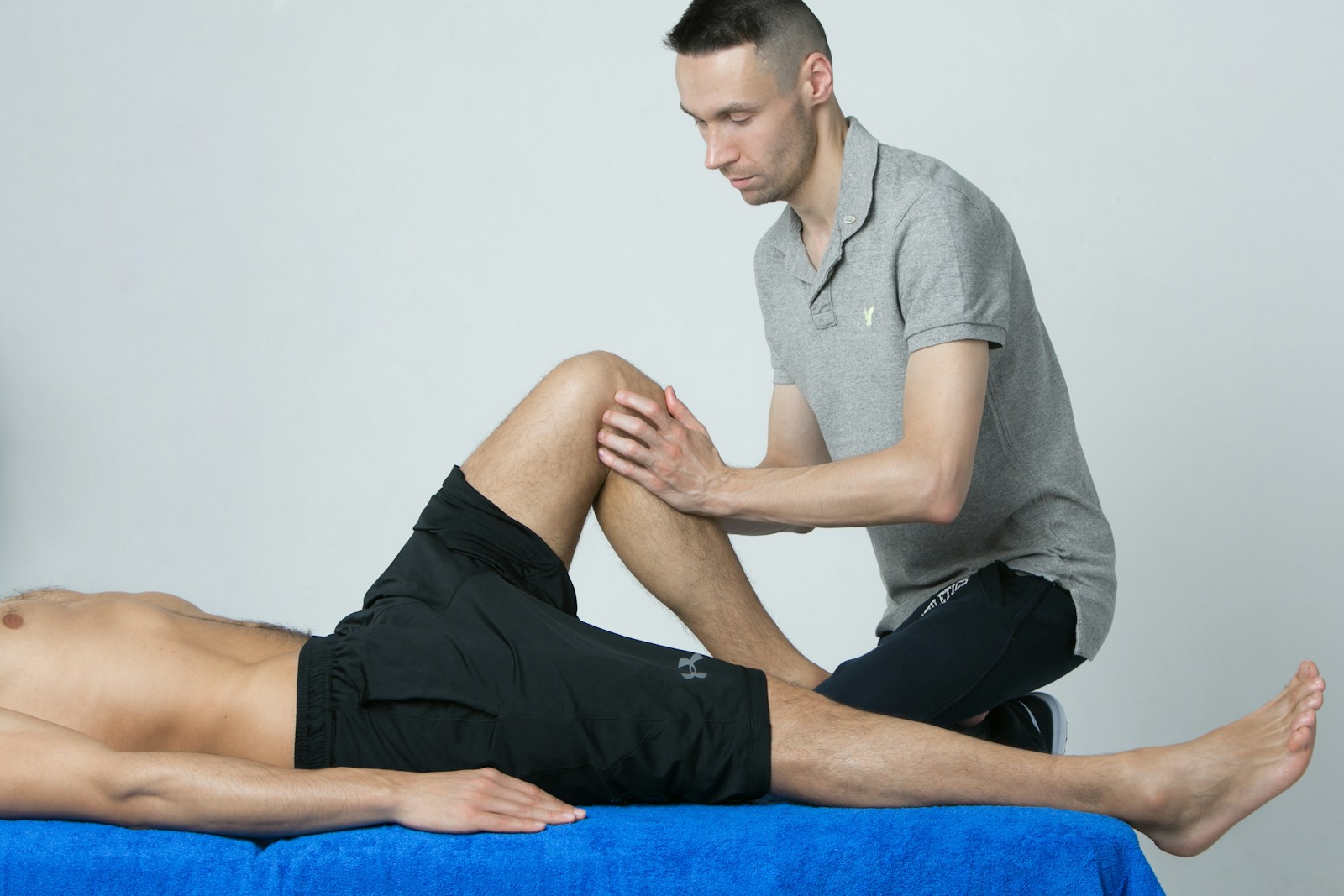
We start by finding what’s driving the pain, joint, muscle, disc or nerve, with a hands-on exam and simple movement tests. Then we build a plan around what we find.
Gentle adjustments or mobilization of the lower back and pelvis
Soft-tissue work for guarded, overworked muscles
Two or three home exercises that take about ten minutes
Practical changes to how you sit, lift and sleep
If anything in your exam suggests you need imaging or a medical referral, we’ll tell you and help you get there.
Common questions
Should I rest or keep moving?
For most back pain, gentle movement helps more than bed rest. We’ll show you what’s safe for your back right now.
Do I need an X-ray first?
Usually not. Imaging is only helpful when certain red flags are present, and we screen for those at your first visit.
When is back pain an emergency?
Call 911 or go to an emergency room if back pain comes with loss of bladder or bowel control, numbness in the groin, or sudden leg weakness.
This page is general information, not a diagnosis. Results vary from person to person. Sudden weakness, numbness in the groin or loss of bladder or bowel control needs emergency care. Call 911.
At a glance
Area
Lower back
Typical visits
4–8 visits over 3–6 weeks
First visit
$59, 60 minutes
Who you’ll see
Any of our three doctors